Testosterone kaise badhaye: 10 natural ways that are backed by evidence
How to support healthy testosterone naturally: sleep, weight loss, strength training, diet, vitamin D, stress and more, plus the truth about "testosterone boosters" and signs of genuinely low testosterone.
Key points
- In healthy young men, testosterone is usually normal. Lifestyle can help keep it healthy, but it won't turn normal levels into "super" levels.
- The strongest natural levers are enough sleep, losing excess belly fat, strength training, a balanced diet, and avoiding alcohol and steroid misuse.
- Most over-the-counter "testosterone boosters" lack good evidence, and some contain undeclared ingredients.
- Genuinely low testosterone is a medical diagnosis, needing morning blood tests and a doctor. Self-treating with testosterone or steroids can cause infertility.
Search "testosterone kaise badhaye" and you'll find promises of "desi nuskhay", miracle capsules and "boosters" that will make you stronger, leaner and more energetic. Most of them don't work, and some are risky.
What does the science actually say? This guide explains what testosterone does, what genuinely helps keep it at healthy levels, and when low testosterone is a medical issue.
What does testosterone do?
Testosterone is the main male sex hormone. It's produced mainly in the testicles and helps with:
- Muscle mass and strength
- Bone density
- Sex drive and erections
- Sperm production
- Body and facial hair
- Red blood cell production
- Mood and energy
Testosterone levels peak in early adulthood and decline slowly with age, by roughly 1% a year after about 30–40, though this varies a lot.
First, do you actually have low testosterone?
Many symptoms blamed on "low T" (tiredness, low motivation, slow gym progress) are more often caused by poor sleep, stress, being overweight, low activity or depression.
Genuinely low testosterone (hypogonadism) is diagnosed by a doctor, using:
- Symptoms, such as low libido, erection problems, fewer morning erections, breast enlargement, loss of body hair, reduced muscle and low mood
- At least two morning blood tests (usually before 10 am, as levels are highest in the morning), confirming low levels
Don't rely on a single test, or on symptoms alone.
10 natural, evidence-based ways to support testosterone
1. Sleep 7–9 hours
Most testosterone is released during sleep. A small study at the University of Chicago found that one week of sleeping only 5 hours a night reduced daytime testosterone in healthy young men by about 10–15%. Late nights, scrolling and irregular schedules all matter.
2. Lose excess belly fat
Obesity is one of the most common causes of low testosterone in men. Fat tissue converts testosterone into oestrogen, and obesity affects the hormones that control testosterone production. Studies show that weight loss in overweight men can raise testosterone levels.
3. Lift weights
Strength training builds muscle and improves body composition, which supports healthy hormone levels. It doesn't raise testosterone dramatically, but it helps through fat loss, better insulin sensitivity and overall health. See our 12-week beginner plan.
4. Stay active every day
Beyond the gym, regular walking and movement improve metabolic health. Aim for at least 150 minutes of moderate activity a week.
5. Eat enough, and eat balanced
- Don't crash diet. Very low calorie diets can lower testosterone.
- Include healthy fats. Very low-fat diets may slightly lower testosterone.
- Get enough protein, but don't go to extremes.
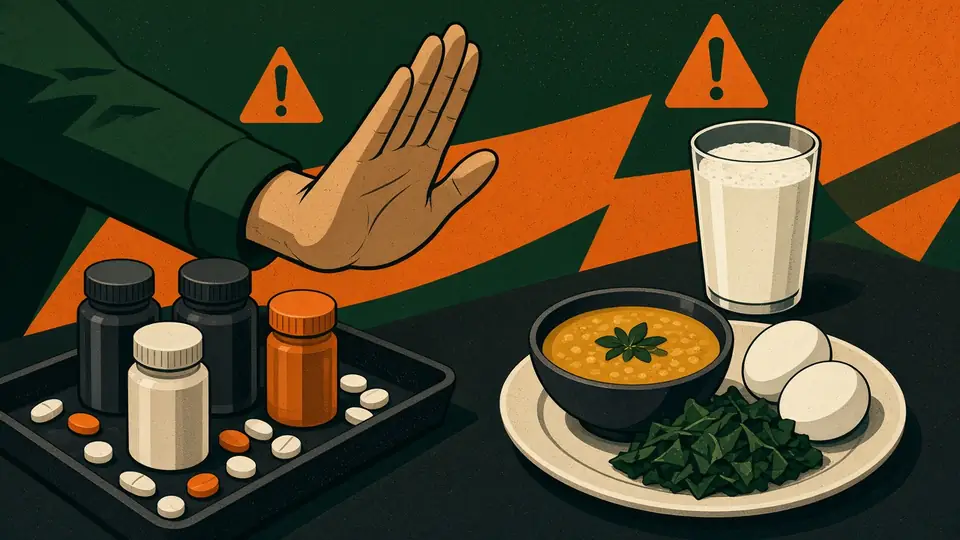
- Eat zinc-rich foods such as meat, eggs, chana, daal, nuts and seeds. Zinc deficiency can lower testosterone, but supplements don't help if your levels are already normal.
See our gym diet plan.
6. Check your vitamin D
Vitamin D deficiency is very common in Pakistan, despite the sunshine, because of indoor lifestyles, covered clothing and diet. Some studies link low vitamin D with lower testosterone, but trials of vitamin D supplements in men with normal vitamin D have shown little effect on testosterone. If you're deficient, correcting it is good for your bones and overall health anyway. Ask a doctor about a test.
7. Manage stress
Long-term stress raises cortisol, which can suppress testosterone. Exercise, sleep, prayer, time outdoors and talking to someone can help.
8. Limit alcohol
Heavy drinking damages the testicles and lowers testosterone.
9. Don't misuse steroids or testosterone
This is the most important point for gym-goers. Taking testosterone injections or anabolic steroids shuts down your own production. When you stop, your levels can crash below where they started, sometimes for months or longer, causing low libido, low mood and infertility. Read weight gain tablets aur steroids.
10. Treat underlying health problems
Type 2 diabetes, sleep apnoea, some medicines (such as opioids and long-term steroids) and certain medical conditions can lower testosterone. Treating them often helps.
What about testosterone boosters?
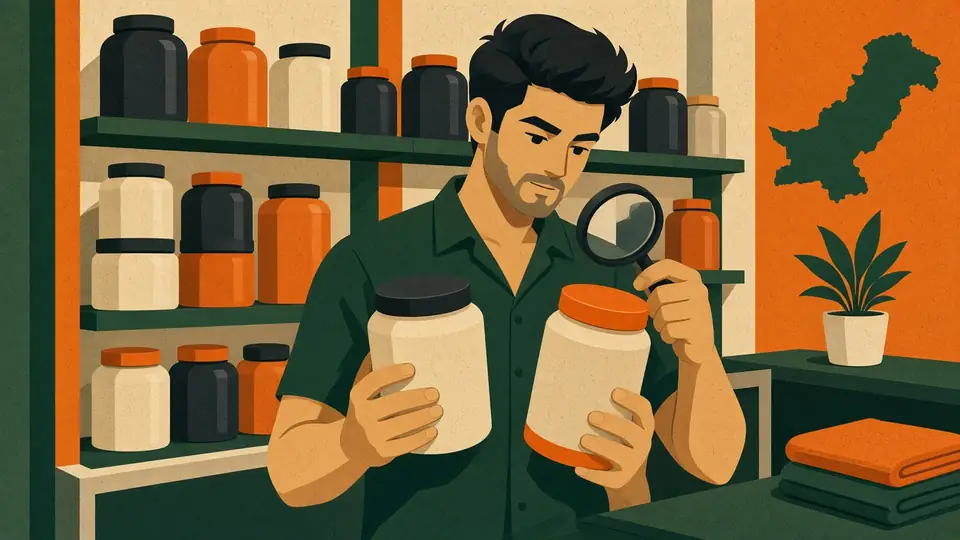
Shops and websites in Pakistan sell many "testosterone boosters" containing herbs such as tribulus, fenugreek, ashwagandha, tongkat ali, D-aspartic acid, zinc and magnesium.
- Reviews of these products generally find weak or inconsistent evidence that they meaningfully raise testosterone in healthy men.
- A 2020 study that examined popular testosterone booster supplements found that many contained ingredients with little or no evidence, and some contained ingredients at doses that could be harmful.
- Like other supplements, some products have been found to contain undeclared drugs.
If you're tempted, talk to a doctor first, and be very wary of products making big claims.
Desi nuskhay for testosterone
Foods like eggs, milk, nuts and dates are nutritious, and a balanced diet supports health. But no single food or nuskha has been shown to raise testosterone significantly in healthy men. Be careful with "taqat ke kushte" and "mardana taqat" mixtures from unlicensed sellers; some have been found to contain heavy metals or hidden drugs.
Treatment for genuinely low testosterone
If a doctor confirms low testosterone, treatment depends on the cause and on whether you want children. Testosterone replacement therapy can help some men, but it reduces sperm production and must be monitored. It's a medical treatment, not a gym supplement.
Symptoms that are often blamed on testosterone (but may be something else)
Many men search for testosterone boosters when they feel tired, low or unmotivated. These symptoms are real, but they have many possible causes:
- Poor sleep or sleep apnoea: loud snoring, pauses in breathing and daytime sleepiness
- Depression or chronic stress: low mood, loss of interest, poor concentration
- Thyroid problems: tiredness, weight changes, feeling cold
- Anaemia or low vitamin levels: tiredness, breathlessness
- Diabetes: tiredness, thirst, frequent urination
- Medicines: some medicines can affect energy and libido
- Alcohol, smoking and other substances
- Overtraining and under-eating
This is why it's worth seeing a doctor rather than self-treating. The right tests can find the real cause, and treating that cause, such as sleep apnoea or depression, often improves energy, mood and sex drive.
What to tell your doctor
- Your main symptoms and how long you've had them
- Sleep, stress, diet and exercise habits
- Any supplements, gym products or medicines you take, including anything bought online
- Any history of steroid use, as it can affect your natural testosterone for a long time
See a doctor promptly if
- You have low libido, erection problems, loss of morning erections, breast enlargement, reduced body hair, low mood or severe fatigue that lasts.
- You've used anabolic steroids and now have symptoms of low testosterone or fertility problems.
- You and your partner are having difficulty conceiving.
Frequently asked questions
How can I increase testosterone naturally?
Sleep 7–9 hours, lose excess belly fat, lift weights, stay active, eat a balanced diet with enough calories and healthy fats, manage stress, limit alcohol and avoid steroid misuse.
Do testosterone boosters work?
For most healthy men, there's little good evidence that over-the-counter boosters meaningfully raise testosterone. Some contain ingredients at doses that may cause harm.
What foods increase testosterone?
No food dramatically raises testosterone. A balanced diet with zinc-rich foods (meat, eggs, chana, nuts), healthy fats and enough calories supports normal levels.
What are the signs of low testosterone?
Low sex drive, erection problems, fewer morning erections, breast enlargement, reduced body hair, low mood, tiredness and loss of muscle. A doctor confirms it with morning blood tests.
Does masturbation lower testosterone?
There's no good evidence that masturbation causes lasting changes to testosterone levels in healthy men.
Sources
- Leproult R, Van Cauter E. Effect of 1 week of sleep restriction on testosterone levels in young healthy men. JAMA, 2011.
- Bhasin S, et al. Testosterone therapy in men with hypogonadism: an Endocrine Society clinical practice guideline. Journal of Clinical Endocrinology & Metabolism, 2018.
- Corona G, et al. Body weight loss reverts obesity-associated hypogonadotropic hypogonadism: a systematic review and meta-analysis. European Journal of Endocrinology, 2013.
- Clemesha CG, et al. Testosterone boosting supplements composition and claims are not supported by the academic literature. World Journal of Men's Health, 2020.
- NHS. Anabolic steroid misuse.
- Saper RB, et al. Lead, mercury, and arsenic in US- and Indian-manufactured Ayurvedic medicines sold via the Internet. JAMA, 2008.
- MedlinePlus. Testosterone blood test.
Sources were checked on 26 November 2026. Found an error? Tell us and we will correct it.
Medical disclaimer: This article is general information, not a diagnosis or treatment plan. Please talk to a qualified doctor about your own situation. Read our full disclaimer.