Testosterone boosters sold in Pakistan: an evidence check
Do testosterone booster supplements sold in Pakistan actually work? An evidence check of common ingredients (tribulus, fenugreek, ashwagandha, zinc, D-aspartic acid), hidden-steroid risks, and what really raises testosterone.
Key points
- Most "testosterone booster" supplements have little or no good evidence that they raise testosterone in healthy men. A 2019 review found that most products' claims weren't supported by research.
- A few ingredients, such as zinc and vitamin D, may help only if you're deficient. Some herbs (fenugreek, ashwagandha) have small, mixed studies.
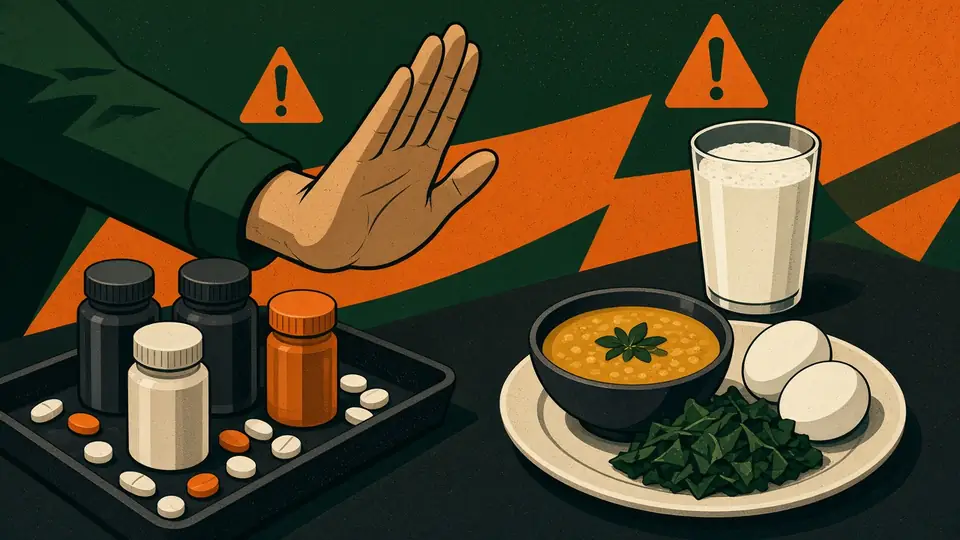
- Some products sold online and in gyms have been found to contain hidden steroids or other drugs, which can harm your heart, liver and fertility.
- The proven ways to support normal testosterone are sleep, weight loss if overweight, strength training, enough food and managing stress, and a doctor's blood test if you have symptoms.
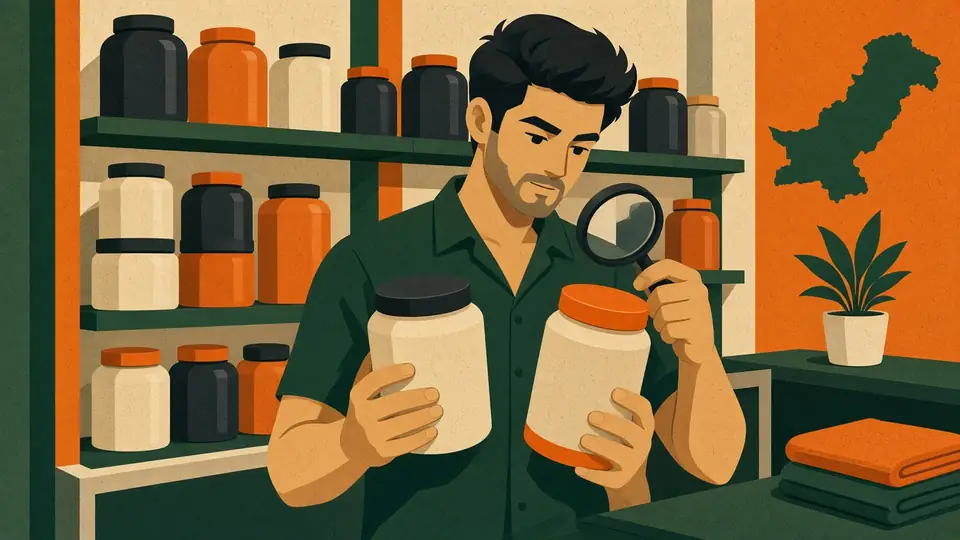
Walk into almost any gym or supplement shop in Pakistan, or scroll through social media, and you'll find "testosterone boosters": tablets, capsules and powders promising more muscle, more energy, more "mardana taqat". Packs often show bodybuilders and words like "natural", "herbal" and "clinically proven".
But do they work? And are they safe? This guide looks at what the research actually says.
What is a testosterone booster?
The term isn't a medical one. It's a marketing label for dietary supplements that claim to raise your body's own testosterone. They usually contain a mix of herbs, vitamins, minerals and amino acids.
They're different from:
- Testosterone replacement therapy (TRT): a prescription medicine given by a doctor to men with medically confirmed low testosterone.
- Anabolic steroids: synthetic hormones, often misused for muscle building, with serious side effects. See weight gain tablets in Pakistan: hidden steroid dangers.
Supplements are not tested and approved for effectiveness in the same way as medicines, so a claim on the box isn't proof.
What the research says overall
A 2019 study examined 50 popular testosterone-boosting supplements. Researchers compared the ingredients with the published research. They found that only about a quarter of the claims were backed by any data, and some products contained very high doses of certain vitamins and minerals, well above the safe upper limits.
Reviews generally conclude that in healthy men with normal testosterone, these supplements produce little or no meaningful increase in testosterone.
Ingredient-by-ingredient evidence check
| Ingredient | What the evidence suggests |
|---|---|
| Tribulus terrestris | Studies in men generally haven't shown it raises testosterone. |
| Fenugreek (methi) | Some small studies, often industry-funded, report modest effects on libido or strength. Results on testosterone are mixed. |
| Ashwagandha | A few small trials suggest possible small increases in testosterone or improved stress. The studies are small and short, and rare cases of liver injury have been reported. |
| D-aspartic acid | Results are inconsistent; some studies show no effect in trained men. |
| Zinc | Helps if you're deficient. Extra zinc in men with normal levels hasn't been shown to raise testosterone. Too much zinc can cause copper deficiency. |
| Vitamin D | May help if you're deficient. Vitamin D deficiency is common in Pakistan, so a blood test can be useful. |
| Magnesium | Limited evidence; may help only in deficiency. |
| Boron, tongkat ali, maca | Small or low-quality studies; not enough evidence to recommend. |
| Shilajit | Very limited research; some products have been found to contain heavy metals. |
Bottom line: if a product works dramatically fast, be suspicious. That's often a sign of hidden drugs, not herbs.
Hidden steroids and other risks
The US Food and Drug Administration (FDA) has repeatedly warned about "bodybuilding" and "sexual enhancement" products found to contain hidden steroids, steroid-like substances or prescription drugs that aren't listed on the label.
Possible risks include:
- Liver damage
- Heart problems and raised blood pressure
- Shrinking testicles and lower sperm count
- Breast enlargement (gynaecomastia)
- Acne and hair loss
- Mood changes, aggression and depression
- Interactions with other medicines
Products sold without proper labelling or registration, or with no clear manufacturer, carry the greatest risk.
Why boosters can make low testosterone worse
If a product contains steroids or testosterone-like substances, your body senses the extra hormone and shuts down its own production. When you stop, your natural testosterone can stay low for months, sometimes longer, causing low libido, low mood and fatigue.
What actually supports healthy testosterone
These steps have far better evidence than any booster:
- Sleep 7–9 hours. In one study, restricting young men to about 5 hours of sleep a night for a week lowered their daytime testosterone levels.
- Lose weight if you're overweight. Excess body fat, especially around the waist, is linked to lower testosterone. Weight loss can raise testosterone in men with obesity.
- Lift weights two to four times a week.
- Eat enough, including protein and healthy fats. Very low-calorie diets and overtraining can lower testosterone.
- Manage stress and limit alcohol.
- Don't smoke and avoid recreational drugs.
- Check for deficiencies (vitamin D, zinc) with your doctor if you're concerned.
For a full guide, see testosterone kaise badhaye: 10 natural ways.
When to get tested instead
If you have symptoms of low testosterone, a doctor can arrange a morning blood test (testosterone is usually highest in the morning). Low results are usually repeated before diagnosis. If testosterone is genuinely low, the doctor will look for the cause, such as obesity, diabetes, medicines, pituitary problems or previous steroid use.
Testosterone therapy, if needed, should only be started and monitored by a qualified doctor. It's not a muscle-building supplement and has its own risks, including effects on fertility.
Is it low testosterone, or something else?
Many men buy boosters because they feel tired, unmotivated or less interested in sex. These are real problems, but low testosterone is only one possible cause. Others are common and treatable:
- Poor sleep or sleep apnoea (loud snoring, gasping at night, daytime sleepiness)
- Stress, anxiety or depression
- Being overweight, especially around the waist
- Diabetes or high blood sugar
- Thyroid problems or anaemia
- Heavy alcohol use, smoking or recreational drugs
- Overtraining and under-eating
Testosterone also declines slowly with age, but most older men still have levels in the normal range. A booster won't fix sleep apnoea, depression or diabetes, and buying one can delay the right diagnosis.
Supplements and medicine registration in Pakistan
In Pakistan, medicines and many health products are regulated by the Drug Regulatory Authority of Pakistan (DRAP). A product that claims to treat a medical condition, such as "low testosterone" or "weakness", should be properly registered. If you can't find a registration number, manufacturer address or batch number on the pack, treat that as a red flag. A pharmacist can help you check.
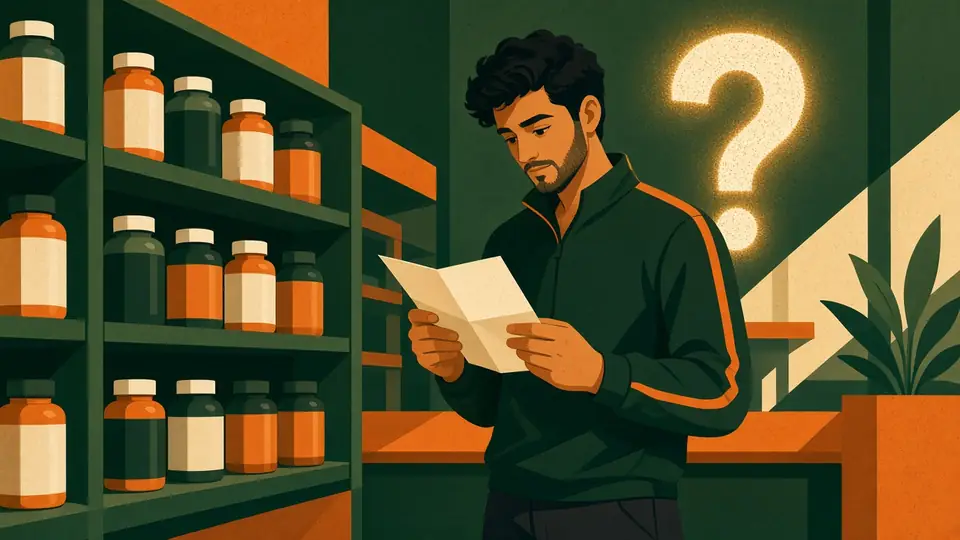
How to judge a supplement before you buy
- Check the label: is there a full ingredient list, manufacturer address and batch number?
- Avoid "proprietary blends" that don't show the dose of each ingredient.
- Be wary of big promises: "double your testosterone", "results in 7 days".
- Look for independent testing: some products are tested by third-party programmes for banned substances, which is especially important if you compete in sport.
- Ask a pharmacist or doctor, especially if you take other medicines or have a health condition.
See a doctor promptly if
- You have symptoms such as low sex drive, erection problems, loss of morning erections, breast swelling, very low energy or loss of body hair. Get a proper morning blood test rather than buying boosters.
- You've taken a "booster" and develop yellow eyes or skin, dark urine, chest pain, severe acne, breast swelling or mood changes.
- You're trying for a baby. Some products, and especially steroids, can lower sperm count.
Frequently asked questions
Do testosterone boosters work?
For most healthy men, there's little good evidence that testosterone booster supplements meaningfully raise testosterone. Some ingredients may help only if you're deficient in a nutrient like zinc or vitamin D.
Are testosterone boosters safe?
Some are probably harmless but ineffective. Others have been found to contain hidden steroids or drugs that can damage the liver, heart and fertility. Avoid products without clear labels.
What is the best natural way to increase testosterone?
Sleep well, lose excess weight, lift weights, eat enough protein and healthy food, manage stress and limit alcohol.
Is ashwagandha good for testosterone?
A few small studies suggest a possible small effect, but the evidence is limited, and rare liver problems have been reported. Talk to a doctor before using it, especially if you have a health condition.
Should I get my testosterone checked?
If you have symptoms such as low libido, erection problems, low energy or loss of body hair, ask a doctor about a morning blood test rather than buying supplements.
Sources
- Clemesha CG, et al. 'Testosterone boosting' supplements composition and claims are not supported by the academic literature. World Journal of Men's Health, 2020.
- Leproult R, Van Cauter E. Effect of 1 week of sleep restriction on testosterone levels in young healthy men. JAMA, 2011.
- Corona G, et al. Body weight loss reverts obesity-associated hypogonadotropic hypogonadism: a systematic review and meta-analysis. European Journal of Endocrinology, 2013.
- Bhasin S, et al. Testosterone therapy in men with hypogonadism: an Endocrine Society clinical practice guideline. 2018.
- US Food and Drug Administration. Avoiding products contaminated with hidden ingredients.
- MedlinePlus. Testosterone levels test.
- NIH Office of Dietary Supplements. Zinc fact sheet for consumers.
Sources were checked on 26 November 2026. Found an error? Tell us and we will correct it.
Medical disclaimer: This article is general information, not a diagnosis or treatment plan. Please talk to a qualified doctor about your own situation. Read our full disclaimer.